Asia•Culture & Heritage•Oct 12, 2024
The Art of Slow Living in Kyoto’s Historic Teahouses
Stepping into a wooden chashitsu in Gion offers an enduring lesson in mindfulness, architectural silence, and aesthetic harmony.
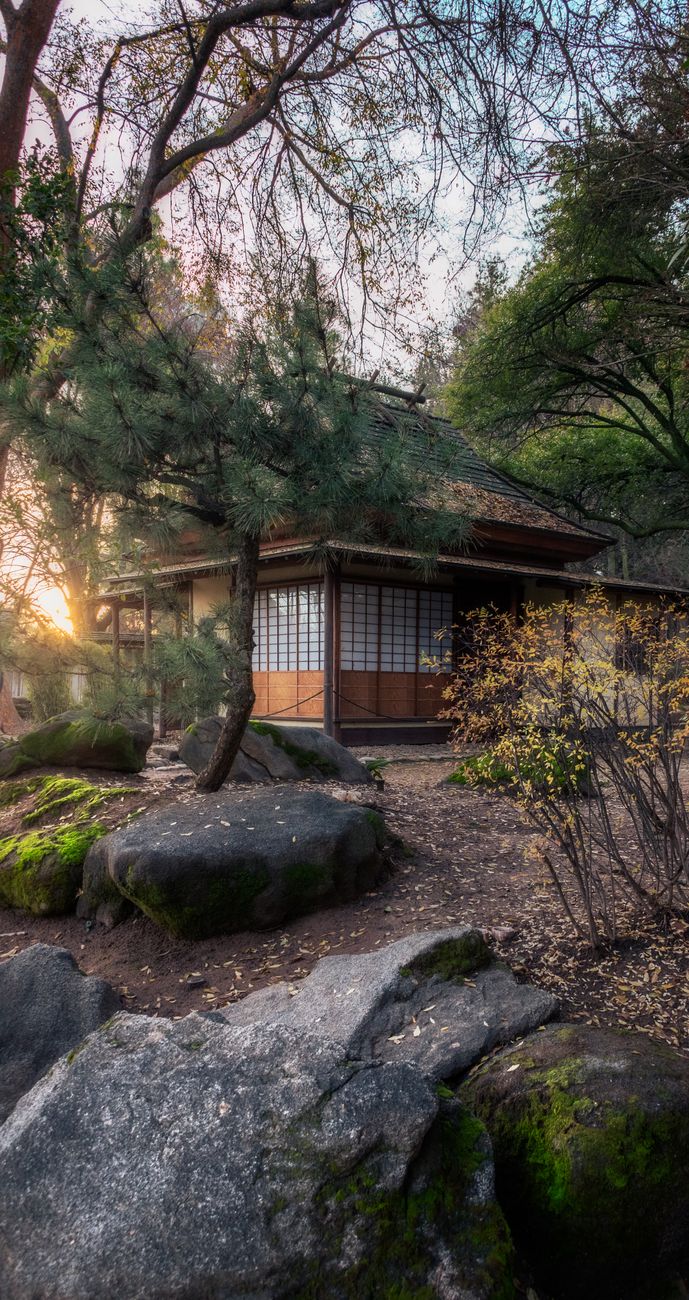
Kyoto, Japan’s ancient imperial capital, remains the undisputed epicenter of traditional Japanese aesthetics. Amidst modern train stations and vibrant commercial districts lie centuries-old wooden structures dedicated to the art of the tea ceremony (Cha-no-yu).
The Principle of Wabi-Sabi
Central to the teahouse experience is the philosophy of Wabi-Sabi—finding beauty in imperfection, simplicity, and the natural cycle of aging. From weathered cedar pillars to hand-molded matcha bowls, every element invites calm contemplation.
"The teahouse is not merely a venue for drinking tea; it is a sanctuary designed to strip away the worldly noise."
Practical Advice for Visitors
- Book tea ceremony sessions weeks in advance through respected heritage foundations.
- Observe quiet etiquette and dress modestly with clean socks for tatami mats.
- Visit early morning in autumn or late spring for optimal serene atmospheric lighting.